Never a food photo
The leading calorie apps depend on photographing your plate after you eat. Rasoi tells you what to serve before the meal and asks for one tap after. Leaving out the camera is the whole idea.
Confirming a family dinner: one tap.
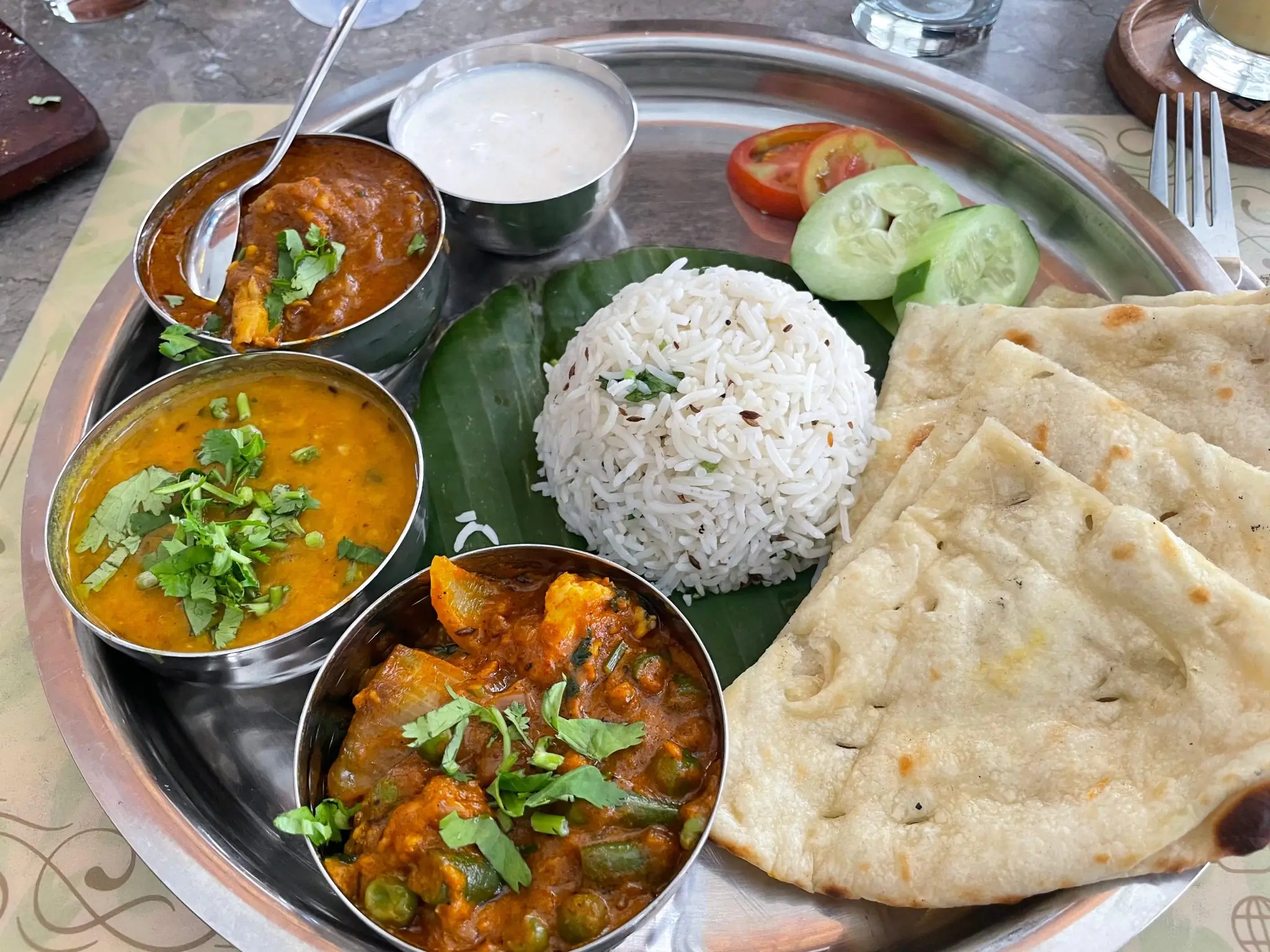
A household nutrition operating system for Indian homes. What each person should eat, how much to cook and serve from one shared dish, what to buy — re-planned when real life happens. Never a food photo.
Working prototype · closed beta in preparation
The household nutrition
operating system
Every Indian home answers four questions, every day: what should we eat, how much, what do we need to buy, and what do we already have. Rasoi answers all four, continuously — for every person at the table, from one shared dish.
Usually one person carries all four questions in their head. Today's apps answer one or two of them and hand the rest back. Rasoi is built for the household, not the lone dieter: one pot of dal, and a different serving for each person who eats from it.
The problem
Existing products answer one or two of these questions and leave the rest to the person who already carries the load.
Different people, different goals — a vegetarian and a peanut allergy at the same table.
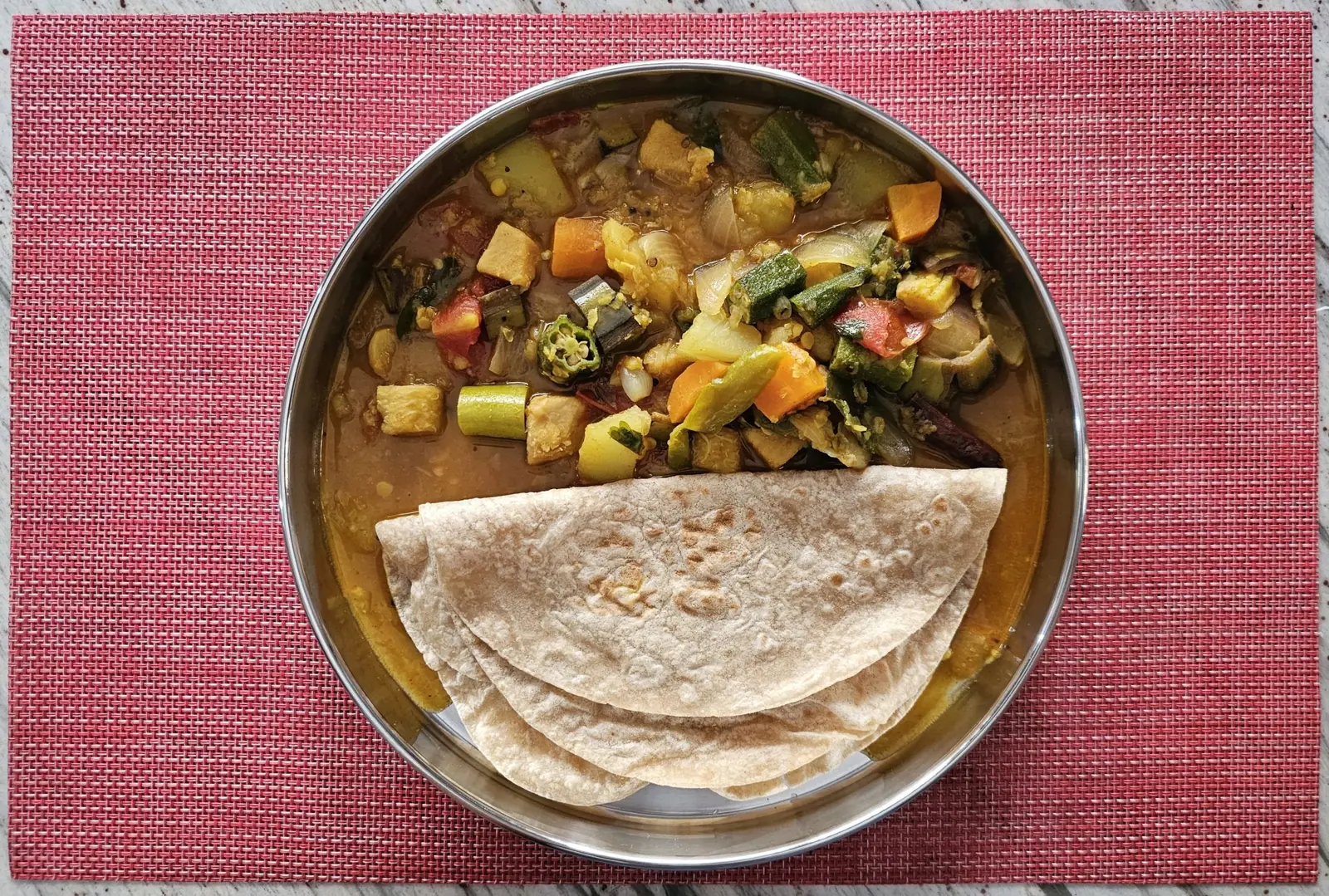
One pot of dal, but a teenager, a parent losing weight and a grandparent need different servings.
The weekly list is guesswork. Something always runs out and something always goes to waste.
Nobody knows what's left in the kitchen until it's time to cook.
“Tell the household what to cook and how much — before the meal. Then ask for a single tap afterwards. Never a photograph of the plate.”
How it works
Calorie apps ask you to record what you ate after the fact. Rasoi works the other way round — and the next plan knows what really happened.
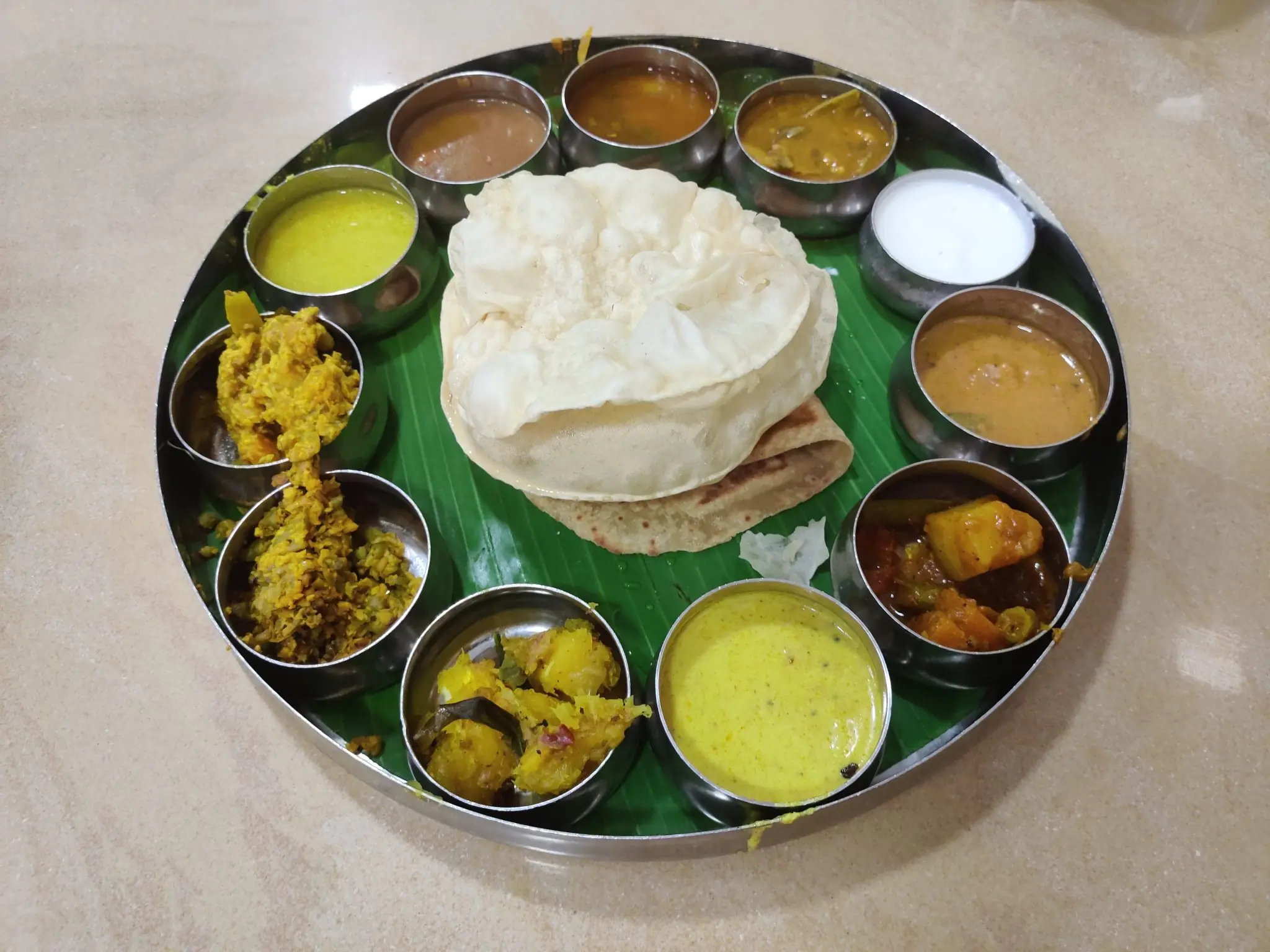
Then the loop starts again, and the next plan knows what really happened.
Why it's different
“An AI tells you what to eat” is crowded, and general assistants are already there. Three product laws make Rasoi something else — and we don't bend them.
The leading calorie apps depend on photographing your plate after you eat. Rasoi tells you what to serve before the meal and asks for one tap after. Leaving out the camera is the whole idea.
Confirming a family dinner: one tap.
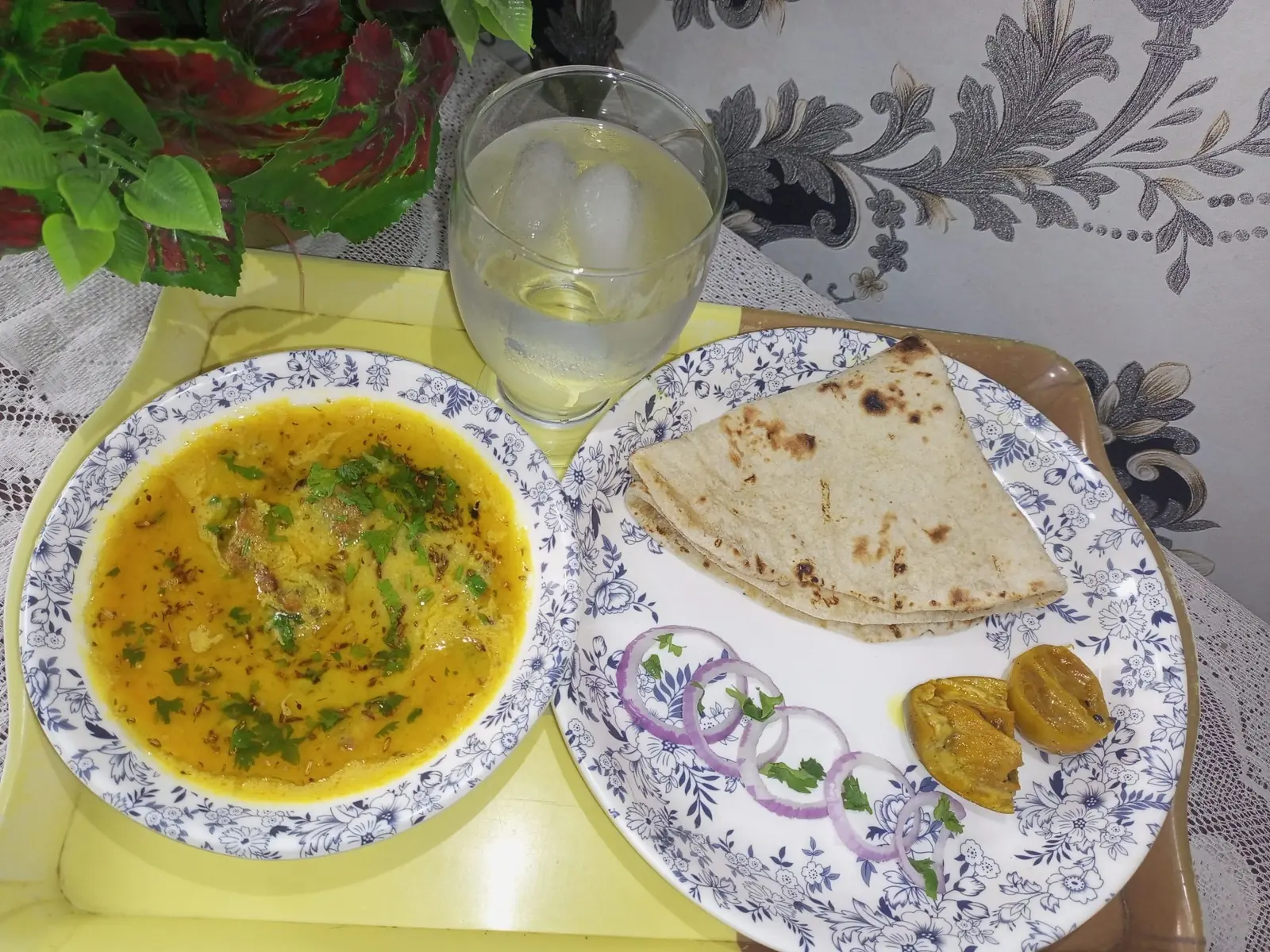
The household is the user. Rasoi says what belongs on each plate and how much, served from one shared dish. Dishes are suggestions, not orders — the way dietitians actually coach.
~150 g cooked grain · ~100 g dal · ~120 g vegetable · 1 tsp oil
Cooking changes nutrients, and by how much is uncertain. Rasoi gives ranges with a confidence label — never falsely exact percentages, and never an estimate dressed up as a measurement.
“Steaming generally keeps more vitamin C than long boiling” — confidence: medium
Everyone in the home with their diet, allergies and goals — editable as life changes.
Exact servings in grams from a shared dish, sized to each person's targets.
Ingredient amounts, oil in ml, the method, and nutrient notes with a confidence label.
As planned, less, more, swapped, skipped. A whole family in a single tap.
Shelves grouped by aisle, quick restock, and short check-ins when stock is uncertain.
The week's plan minus what's at home, as a list you can take to any store.
Ate out? Skipped lunch? The rest of the week adjusts, within each person's upper limits.
An excluded food never reaches the planner for that person, so it can't end up on their plate.
Where we are
The engine is built and the full loop works end to end. The hard part came first — nutrition arithmetic, safety rules and the meal optimiser, each with automated tests — then the app around it.
Indian dishes planned end to end in the prototype, from poha to fish curry.
Engineering milestones complete, from the food-data engine to beta tooling.
To plan a full week for a family, run as a background job.
Allergy violations allowed by the safety tests that block every release.
Every value records its source, version and confidence, and is checked against hand-worked examples.
Excluded foods are removed before planning starts. The release test allows zero violations.
Plans the whole household at once, and stops with a stated reason if no safe plan exists.
Android build in progress. Every core task has a tap budget.
The loop closes: a deviation re-plans the rest of the week.
Privacy controls were built before the beta, not bolted on after.
Required before any real household relies on the plans.
Measuring the one number that matters.
Walkthrough, October 2026. A family of three — one peanut allergy, two vegetarians — went through consent → 7-day plan → meal taps → pantry → grocery basket → unplanned meal → re-plan → data export. No excluded food reached anyone.
What households told us
We asked thirty households what's hardest. The answers were mixed — which argues for one product across meals, quantities and groceries, not another single-purpose app.
What share of meals are confirmed with one tap on an existing plan, rather than fresh manual entry?
Household interviews, September 2026, n = 30. An exploratory sample, not a population estimate. Observed usability sessions come next.
Roadmap & business model
Prove the habit first, then build the business on it. Each phase has a test it must pass before the next begins — no spend on growth until households keep coming back.
Specs, household interviews, food data, targets, safety rules, optimiser.
API, mobile app, plan → confirm → pantry → grocery → re-plan.
100–300 households. Passes if one-tap confirmation holds and people are still using it at week 8.
Subscriptions, family plan, a web app for household admin, support.
Ordering through grocery retailers and ONDC; a dashboard for dietitians.
A mode for clinicians, after a regulatory assessment.
How Rasoi makes money
One profile, a basic dashboard and a manual list. The way in.
Annual billing from day one. The family plan costs more because it replaces several tools.
Commission on baskets the plan already produces — always disclosed, and ranked below nutrition and safety.
Professionals manage client households on the same engine.
No advertising. We never sell health profiles. Either would break the trust the product depends on.
Built to be trusted
An AI that explains the plan, but never makes up the numbers. These rules are written into the design, and automated tests check the app follows them.
Language models explain decisions and understand requests. Amounts, portions and targets come from a tested calculation engine — never from a model.
A food a person must avoid is removed before planning starts. It isn't a preference the optimiser can trade away.
Each nutrient value records where it came from, which version and how confident we are. Every plan keeps an audit record.
Any sponsored grocery item is labelled and always ranked below suitability and safety. We don't experiment on that rule.
Consent controls processing. Export or delete your household's data at any time. The app never uses the camera.
A missed meal isn't piled onto dinner. The rest of the week is re-planned within each person's upper limits.
Early access & investment
We're preparing a closed beta with urban Indian households, and talking to investors who back products that take trust seriously.
If that's you — or if your family wants to try Rasoi first — write to us.